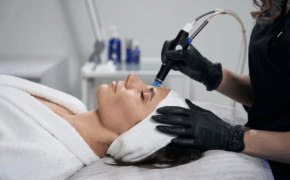
Regenerative injectables are rising fast in popularity across the UK, especially for people in their 30s through to their 70s who want natural, steady improvements rather than dramatic change. At MyAesthetics, many of our patients ask the same question when they first walk through the doors at 31–33 Lloyd Street, Manchester. Do regenerative injectables really strengthen the skin, and how do they actually work?
If you’re curious about how treatments like Polynucleotides, Skin Boosters, Sculptra, Medical Microneedling, or even HydraFacial Keravive fit into a regenerative approach, this guide gives you the full picture. You’ll understand how they encourage collagen, repair the skin barrier, and support long-term skin health – all through medically led planning.
What Are Regenerative Injectables and How Do They Work?
Regenerative injectables are treatments that help your skin repair itself. Instead of smoothing lines artificially or adding fullness, these treatments stimulate cellular activity, collagen, elastin, and hydration from within.
Why regenerative medicine is rising in aesthetics
People want results that look like them, just fresher. The desire to age gracefully – without obvious enhancement- means more patients prefer collagen-stimulating treatments over heavy filler work. Regenerative options improve the quality of the skin, not the shape of the face.
The science behind collagen and tissue repair
As we age, our collagen levels drop every year. Fibroblasts become slower. Skin loses bounce. Regenerative injectables boost the natural processes that maintain skin integrity, helping fibroblasts perform like they used to. Better collagen means smoother texture, tighter tone, and healthier behaviour overall.
How regenerative injectables differ from traditional fillers
Traditional fillers focus on structure. Regenerative treatments focus on biology. They encourage the skin to heal, thicken, and rejuvenate itself over time, ideal for patients who want natural-looking results without added volume.
The Most Common Types of Regenerative Injectables at MyAesthetics
Polynucleotides (Skin)
Polynucleotides are one of MyAesthetics’ most popular regenerative treatments. They restore hydration, improve elasticity, strengthen fragile skin, and calm inflammation. With courses available in packages of 3 or 6, they are ideal for dullness, crepey texture, early laxity, or under-eye rejuvenation.
Polynucleotides for Hair Rejuvenation
Also offered as 3 or 6 session packages, this treatment supports scalp health, circulation, and follicle strength. Patients often use it to improve density, reduce shedding, and reset hair vitality.
Skin Boosters
Skin Boosters offer deep hydration and improved skin texture. They don’t alter facial structure. Instead, they leave skin dewy, smooth, and plump. Courses of 3 or 6 help maintain glow long-term.
Explore Skin Booster treatments here.
Sculptra
Sculptra is a powerful biostimulator that works deep within the dermis to gradually increase collagen production. It improves firmness, reduces laxity, and softens lines. MyAesthetics offers single vials and courses of 3, helping patients achieve progressive structural improvement without visible filler.
Medical Microneedling
Another regenerative cornerstone. This treatment uses controlled micro-injuries to trigger collagen remodelling, improve texture, refine pores, and support scar reduction. Available as 3 or 6 session packages, it pairs well with polynucleotides or Skin Boosters for amplified results.
Explore Medical Microneedling here.
Exosomes Hair Rejuvenation
Exosomes support cellular communication and repair, helping improve scalp health and follicle performance. They are offered as both 3 or 6 session packages, providing a regenerative alternative to more invasive hair treatments.
Hydrafacial Keravive (HydraScalp)
A regenerative scalp treatment using HydraFacial technology to improve scalp environment, hydration, and circulation. Excellent before or alongside polynucleotides or exosomes.
Explore Hydrafacial Treatments here.
Are Regenerative Injectables Safe? What Patients Should Know
Safety profile and current clinical understanding
Every regenerative treatment MyAesthetics offers is clinically studied and used widely in medical aesthetics. Polynucleotides and Sculptra have long-standing safety records. Skin Boosters and microneedling are also well-established with predictable outcomes.
Why practitioner expertise makes the biggest difference
Your practitioner determines your safety. MyAesthetics treatments are delivered only by specialised doctors or nurses trained in facial anatomy and regenerative protocols.
Red flags to avoid as a patient
Avoid anyone offering injectables without:
- A consultation
- A medical background
- Clear aftercare
- Transparent pricing
Regenerative treatments need precision. Your skin deserves experienced hands.
Expected Results: How Skin Heals, Strengthens and Changes Over Time
Timeline for visible improvement
Most regenerative injectables follow this pattern:
- Early glow: 2-4 weeks
- Texture smoothing: 6-8weeks
- Collagen strengthening: 12+ weeks
Subtle changes versus structural gains
Skin Boosters and polynucleotides deliver subtle, natural changes.
Sculptra and microneedling offer deeper structural improvement.
When regenerative injectables deliver better results than fillers
If your goal is to improve skin quality, not shape, regenerative injectables often outperform fillers. They help the skin behave younger, not just look fuller.
Who Is a Good Candidate for Regenerative Treatments?
Common concerns they treat
Patients choose these treatments for:
- Loss of hydration
- Crepey or fragile skin
- Fine lines
- Early laxity
- Hair density reduction
- Dullness
- Scalp health changes
Ageing changes they target best
Between 35 and 75, collagen loss accelerates. Regenerative injectables strengthen the skin so ageing appears slower, softer, and more controlled.
When combination planning delivers stronger results
At MyAesthetics, many treatment plans combine:
- Medical Microneedling + Polynucleotides
- Skin Boosters + HydraFacial
- Sculptra + Polynucleotides for both structure and glow
- Keravive + Exosomes for hair health
Combination planning is key.
How Regenerative Injectables Fit Into a Full Treatment Plan
Pairing with microneedling, boosters, or advanced facials
Regenerative systems work better when layered. For example:
- Hydrafacial clears and preps skin
- Microneedling creates channels
- Polynucleotides repair and hydrate deeper
How many sessions do you need?
Most courses include:
- 3 or 6 sessions
- Spaced 4-6 weeks apart
- Maintenance every 6-12 months
Long-term maintenance plans
Your practitioner will recommend top-ups based on:
- Skin quality
- Age
- Lifestyle
- Treatment goals
Long-term care keeps collagen steady.
How to Choose a Safe, Medically Led Clinic for Regenerative Injectables
Qualifications that matter
You should be treated by someone who understands:
- Regenerative science
- Collagen behaviour
- Facial anatomy
- Injection depth and placement
Why consultation and assessment are essential
Every patient journey at MyAesthetics begins with a consultation using their AI skin scanner to assess pores, pigmentation, texture, and ageing markers.
To start your journey, you can book here:
https://myaestheticsclinics.com/book-now
Summary: A Regenerative Approach to Long-Term Skin Health
Regenerative injectables offer subtle, medically guided, biologically aligned improvement. They thicken, strengthen, and hydrate your skin – and when combined with clinical treatments like microneedling or Sculptra, results build beautifully over time. At MyAesthetics, this approach helps you look like yourself, just fresher, stronger, and confident as you age.
FAQs
Are polynucleotides safe for all skin types?
Yes. They are suitable for all Fitzpatrick types and are well tolerated.
How long does Sculptra last?
Results can last up to 2 years with proper maintenance.
Do Skin Boosters replace microneedling?
No. They work differently. Most patients benefit from combining both.
Is microneedling good for fine lines?
Yes. It stimulates collagen and improves texture.
How soon will I see results from regenerative injectables?
Expect early changes from 2-4 weeks, with greater improvements across 3 months.